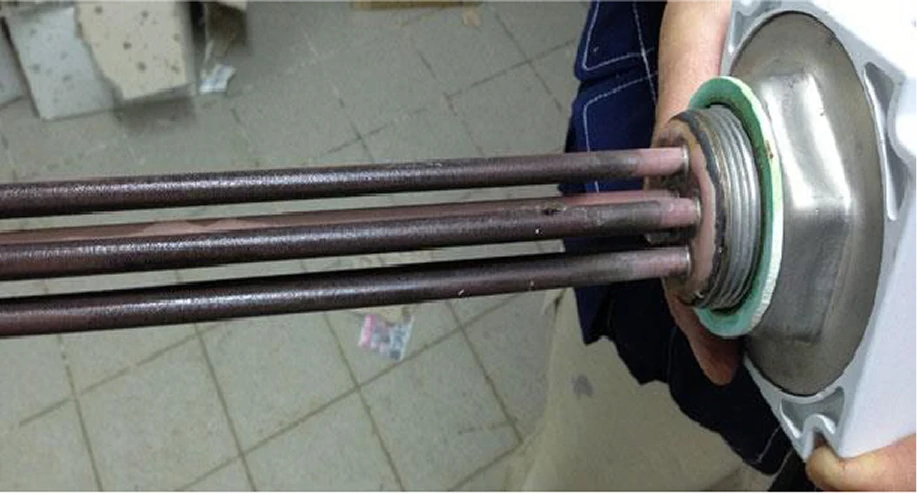
Lysor is the only water treatment that removes limescale and biofilm deposits and prevents them from reappearing. No harsh chemicals, no water alteration, and no system shutdown.
A continuous treatment based on a mixture of food-grade inert gases.
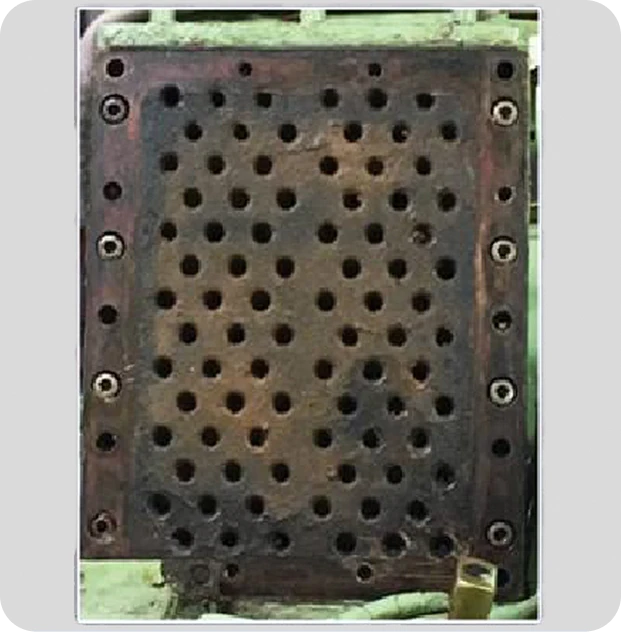
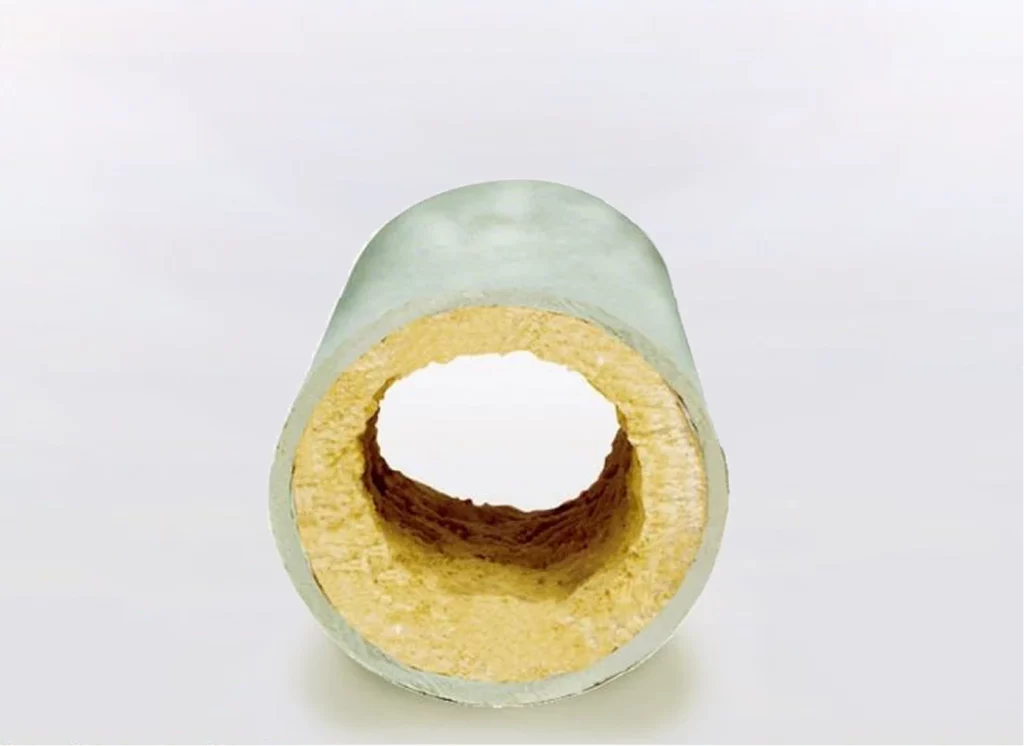
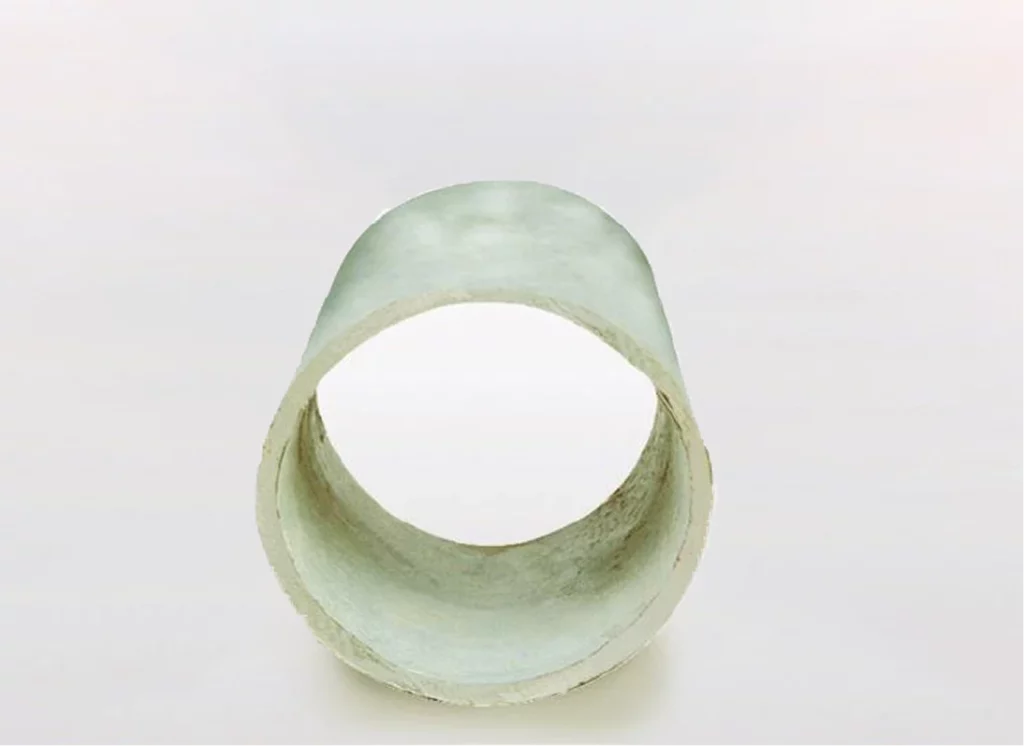
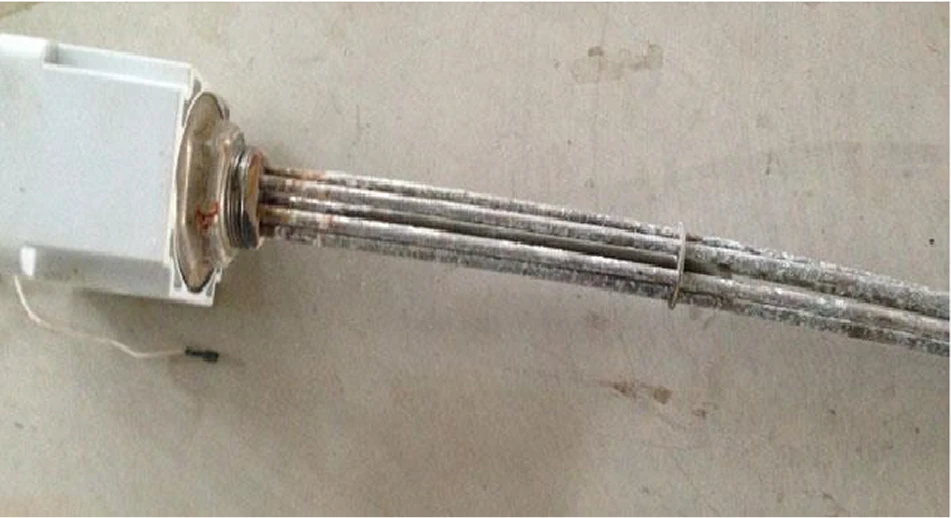
Once in the water, it dissolves existing and incoming limescale. At the same time, it reduces free oxygen, removing the environment that biofilm needs to form and protect bacteria such as Legionella.
Lysor operates continuously within systems, in a sustainable and long-lasting way. Here’s what makes its action effective and different from other treatments.
Removes existing build-up and prevents future recurrence
A single, non-invasive solution that targets both limescale and bacterial growth at the source.
Does not alter water quality
It addresses critical issues without changing the taste, pH, smell, or composition of the water, and without removing beneficial minerals.
Optimizes consumption based on usage
The gas blend is active only when the system is running, with no waste or additional recirculation.
No chemical input required
The system is biological, leaves no toxic residues or reagents, and minimizes reliance on chemical treatments like chlorine.
Compact and space-efficient
The installation is simple, compact, and scaled to the size of the system being treated.
Operates without system shutdown
The solution can be integrated without affecting supply or production flow.
Fields of application
Sectors and operational contexts where Lysor can be effectively integrated.
Hotels and hospitality facilities
For Legionella prevention and water system protection in hotels, B&Bs, spas, and wellness centers.
Apartment buildings and independent heating systems
For maintaining system efficiency and preventing Legionella, a regulatory requirement for building managers.
Gyms, pools, sports centers, and communal facilities
For safe water treatment in high-traffic environments with significant water recirculation.
Food Service and Corporate Canteens
For protecting water networks in industrial kitchens and shared-use environments subject to strict hygiene regulations.
Healthcare and Assisted Living
For bacterial risk prevention in hospitals, care homes, and medical practices, where microbiological water quality is essential to protecting patient health.
Personal Care Services
To ensure safety and quality in water-related processes in laundries, hair salons, beauty centers, and spas.
Food and manufacturing industries
For the protection of heat exchangers, industrial piping, and production systems where water is an integral part of the process.
Agriculture and irrigation
For protecting irrigation systems and ensuring water quality for agricultural use and production.
Treatment and distribution systems (cooling towers, heat exchangers)
To reduce biological risk and improve thermal efficiency in both civil and industrial systems.
What changes with Lysor
A comparison of methods, impacts, and implications versus the most common traditional purification systems.
Lysor technology is developed and validated by an independent, multidisciplinary technical and scientific committee.
Werner Tirler
Environmental chemist, Director of Eco Research since 2004.
Internationally recognized expert in dioxins and nanoparticles, he leads a laboratory specialized in emissions, water, and isotope analysis. In 2023, he received the Italian Knowledge Leader award and serves as Scientific Director of the 46th International Dioxin Symposium (2026).
Prof. Riccardo Maggiore
Environmental chemist.
Former Associate Professor of Environmental Chemistry at the University of Catania, he has conducted research on water pollution, pesticide degradation, and wastewater treatment. He has developed dozens of treatment systems and collaborated with the National Research Council (CNR) on projects focused on the valorization of olive mill wastewater.
Francesco Berton
Water cycle management expert.
Former General Director of Acque Veronesi, the company managing water services across dozens of municipalities in the Verona area. He has led energy-saving programs and water resource optimization initiatives. He currently holds senior positions within the AGSM AIM Group in the energy sector.
Ing. Piero Calò
Civil hydraulic engineer with over thirty years of experience in the energy sector.
He has held executive roles at Azienda Energetica/Etschwerke in Bolzano and led companies operating in renewable energy and environmental technologies. Today, he chairs and manages innovative organizations in applied science and technology.
Ing. Lucio Piticchio
Engineer and inventor of the Lysor technology.
Technical consultant across industrial, civil, and healthcare sectors, he developed the system through years of research and field testing. He leads Lysor’s technical development and contributes to international projects on water treatment, thermal efficiency, and decarbonization.
Lysor’s effectiveness is the result of a research and experimentation process developed over time.
The gas blend at the core of the treatment has been the subject of studies in academic, healthcare, industrial, and military settings — all conducted on real systems and under varying levels of operational complexity.
Proven effectiveness against limescale and biofilm
Over 58% reduction in scaling
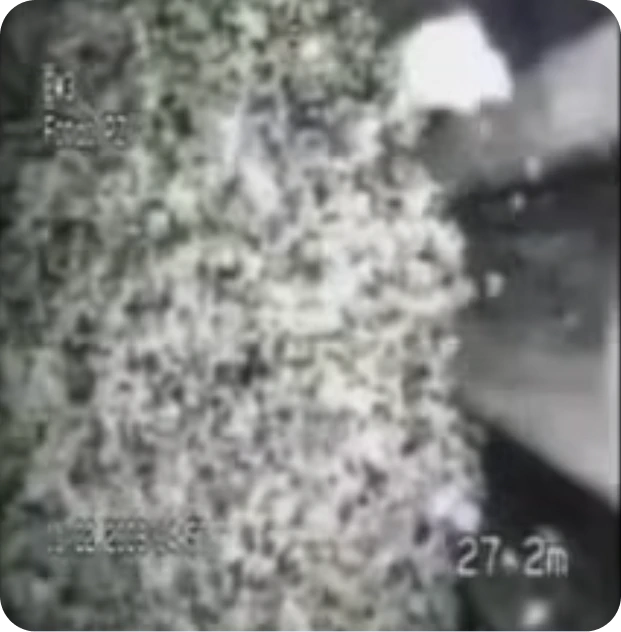
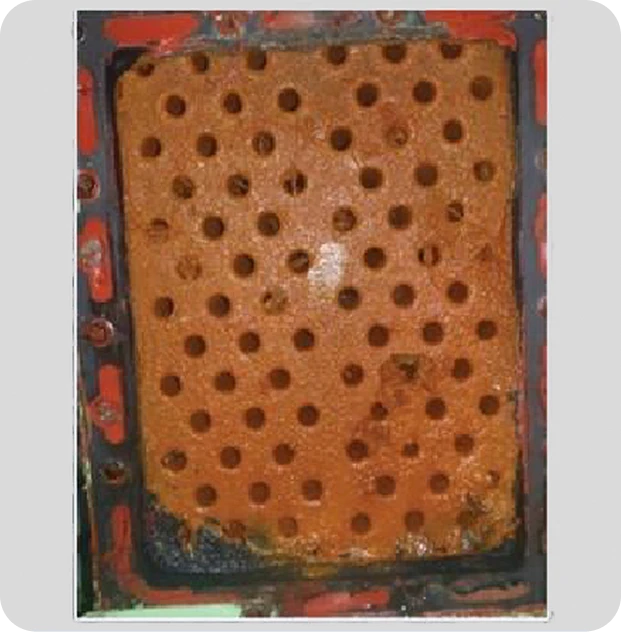
Tests conducted on real systems have shown a significant reduction in limescale and the elimination of biofilm, resulting in a decreased bacterial load.
Reduction of microbiological parameters in healthcare settings
A study conducted on a hospital system showed a significant decrease in microbiological load and Legionella pneumophila, thanks to the blend’s action on biofilm and limescale.
Fill out the form to receive more technical details, commercial information, or request a personalized consultation.
Our team will get back to you as soon as possible.
Zero impact on water, maximum efficiency — ask us how.