Restored performance for aqueducts, wells, and large water systems
Lysor removes limescale and biofilm from pipes, wells, supply networks, cooling towers, and heat exchangers, improving flow rate, water quality, and energy efficiency without shutting down the systems.
Moving water is at the heart of water infrastructure
Aqueducts, wells, and large pipes must guarantee continuity, quality, and stable flow rates.
Limescale, biofilm, and sediment reduce flow, increase pressure losses, and compromise the performance of treatment plants and thermal systems.
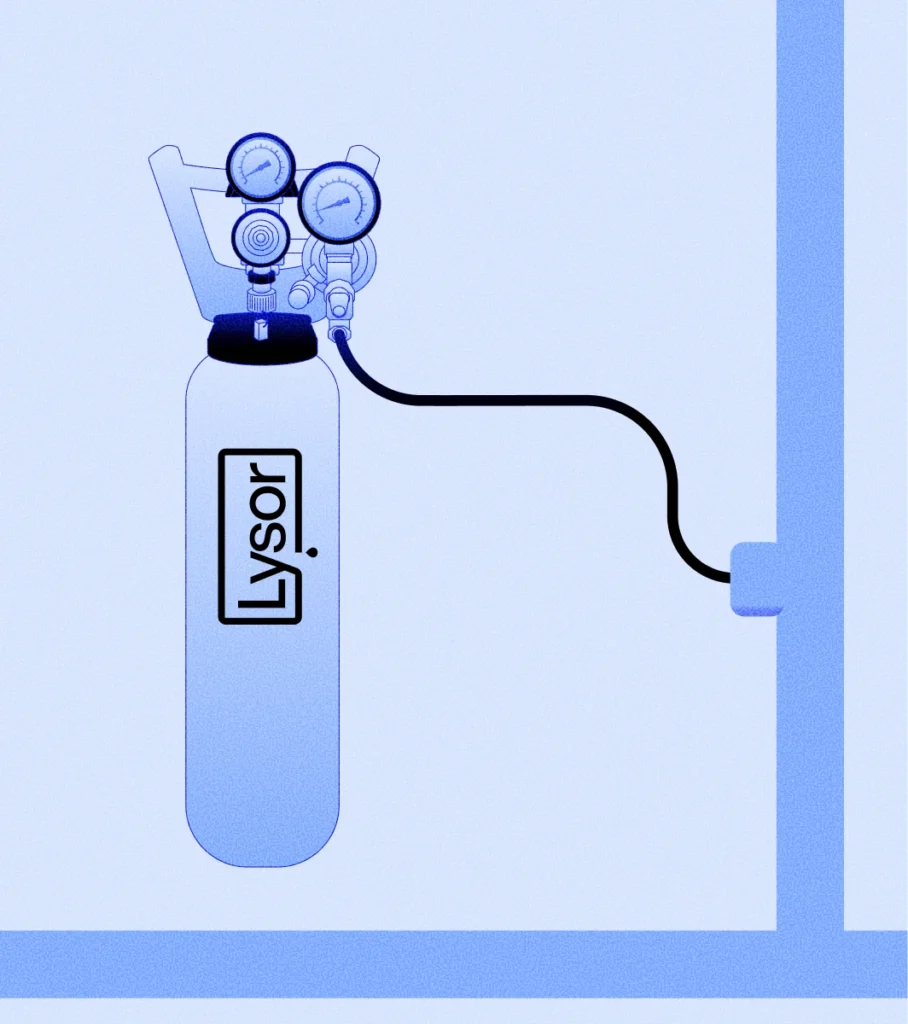
Lysor works directly inside the water, dissolving deposits and reducing biofilm along the entire hydraulic path, restoring efficiency and stability in extensive networks and complex industrial systems. All without shutting down the plant and without the use of aggressive substances or invasive treatments.
Restored flow rate in wells, pipes, and supply networks
The progressive reduction of flow is one of the most significant problems in water infrastructure.
Sediment, limescale, and biofilm restrict the useful section of pipes and decrease the efficiency of wells. Lysor dissolves deposits throughout the hydraulic system, even in deep or inaccessible sections.
In documented applications, the flow rate of clogged wells has increased from 130 l/s to 320 l/s, with depth recovery and restoration of nominal values.
More efficient heat exchangers and cooling towers, reduced consumption
Recovered thermal efficiency
Limescale and biofilm reduce heat exchange and increase consumption.
Lysor restores heat exchangers and cooling towers to optimal conditions, with efficiency gains of up to 43% in just a few days.
Cleaner networks, lower pressure drops
The solubilization of scale improves circulation and reduces hydraulic resistance, which is essential for large or branched systems.
Optimized energy
Just one millimeter of limescale can reduce the performance of heating systems by 15-20%. By eliminating it, Lysor reduces the energy consumption required for pumping, cooling, and heating.
More stable water quality and biofilm control
Sedimentary biofilm compromises the microbiological quality of water and encourages the formation of bacteria and amoeba such as Legionella.
Lysor progressively reduces it throughout the entire network, improving the quality and biological stability of the water being distributed.
By binding dissolved free oxygen, the mixture limits corrosion processes and helps preserve pipes and hydraulic structures, even in older or high-hardness systems.
Where Lysor is used
Contexts in which the effects of the mixture are concentrated:
01
Aqueducts and water distribution systems
02
Wells for drinking and industrial water
03
Supply networks and large pipelines
04
Cooling towers
05
Heat exchangers
06
Other water treatment systems
What changes with Lysor in aqueducts and large systems
Restored flow rate in wells and pipes
Lower pressure drops and greater flow stability
More efficient exchangers and towers
Reduced energy consumption
Better biological water quality
No system downtime and no aggressive chemicals
Academic validation
and real results
Lysor has been tested and validated by universities, independent laboratories, and healthcare facilities. Studies show significant reductions in biofilm, scale, and microbiological parameters
Proven effectiveness against limescale and biofilm
Over 58% reduction in scaling
Tests conducted on real systems have shown a significant reduction in limescale and the elimination of biofilm, resulting in a decreased bacterial load.
Reduction of microbiological parameters in healthcare settings
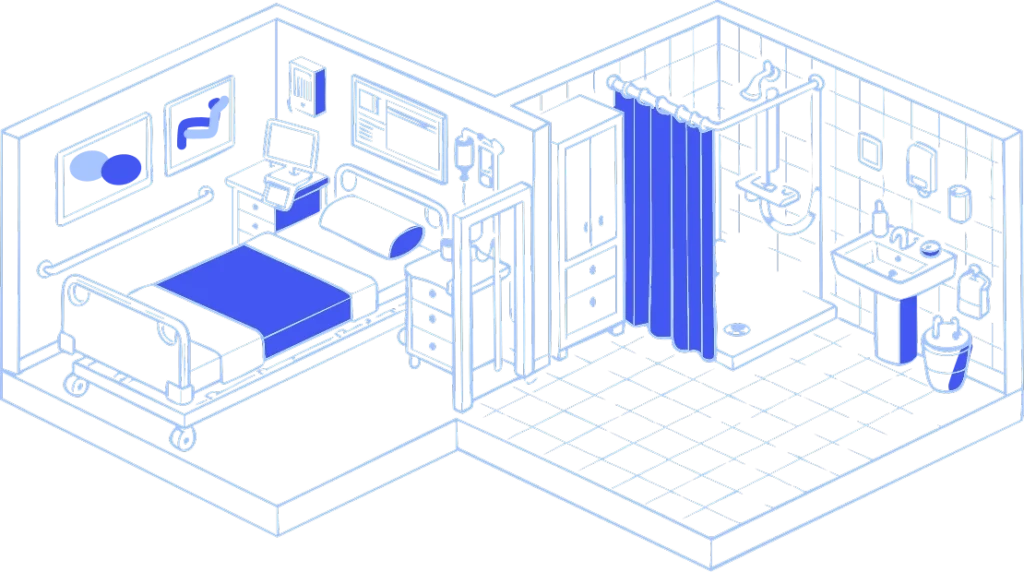
A study conducted on a hospital system showed a significant decrease in microbiological load and Legionella pneumophila, thanks to the blend’s action on biofilm and limescale.
Fill out the form to receive more technical details, commercial information, or request a personalized consultation.
Our team will get back to you as soon as possible.
Zero impact on water, maximum efficiency — ask us how.